The French Presence in Lalibela: Heritage, Research, and the Question of Ownership
Introduction
I was born and raised in Lalibela, one of Ethiopia’s most sacred and historically significant places. For more than twenty years, I have worked in the tourism and hospitality industry as a guide, tour operator, and cultural tourism professional. I hold a Master’s degree in Cultural Tourism Management from Woldia University and am the owner of Lalibela Lodge.
My relationship with Lalibela is not only professional but deeply personal. I began guiding visitors around the rock-hewn churches in the mid-1990s while still a young boy. Since then, I have witnessed the arrival of generations of foreign researchers, historians, conservation experts, diplomats, filmmakers, and tourists who came to Lalibela seeking history, spirituality, scholarship, and discovery.
Over the decades, I have observed both the benefits and the tensions that foreign involvement has brought to this holy heritage site. While international cooperation can contribute positively to preservation and global recognition, it has also raised serious questions among many local residents regarding ownership of historical narratives, access to sacred knowledge, exclusion of local expertise, and the growing influence of foreign institutions over Ethiopian heritage.
This article is written from lived experience, long-term observation, professional involvement in tourism, and concern for the future of Lalibela. It is not intended as an attack on individuals or genuine conservation efforts. Rather, it is a call for deeper discussion, transparency, accountability, and respect for Ethiopia’s historical and spiritual ownership of Lalibela and its legacy.
The First French Presence I Remember
When I first began guiding tourists in the mid-1990s, there was a French family frequently visiting Lalibela. They usually stayed at Asheten Hotel for long periods, often one month at a time, and returned at least twice a year. Many local people viewed them with suspicion and mystery.
Their guide during one of their early visits was a local man named Chanie, who later passed away under circumstances that fueled rumors and speculation in the community. Stories spread among residents that unusual rituals had taken place in remote mountainous areas around Lalibela, including near Asheten Mariam and Abune Yosef. Whether true or exaggerated, such rumors deeply shaped how many locals perceived these visitors.
The family developed strong relationships with certain debteras — religious scholars associated with ancient Ethiopian liturgical traditions, manuscripts, herbal medicine knowledge, and Ge’ez texts. They were known to seek old manuscripts, healing books, and ancient writings. As a young boy, I did not fully understand their purpose, but I remember feeling both curiosity and fear around them because of the stories circulating in the community.
At the time, I assumed they were simply unusual tourists. Looking back now, I believe they were searching for forms of ancient Ethiopian knowledge and wisdom that went far beyond ordinary tourism.
The Swiss Artist and the Documentation of Lalibela
Around 1998, the same French visitors returned with a Swiss artist who spent nearly a month inside the churches of Lalibela. Alongside another guide, Mareg Awoke, I helped guide him through the churches daily. This artist was not only drawing the churches in black and white. He carefully measured dimensions, depths, projections, and architectural details of each structure. He documented the churches with precision and seriousness, studying not only their physical form but also their historical and biblical meanings.
Meanwhile, the French visitors continued traveling through surrounding mountains and monasteries. Their activities remained difficult for local people to understand. In hindsight, it appeared that their interest centered on uncovering spiritual traditions, manuscripts, and ancient knowledge preserved within Ethiopia’s religious heritage.
Jacques Mercier and the Debate Over Lalibela’s Origins
Years later, another French figure entered Lalibela: Jacques Mercier.
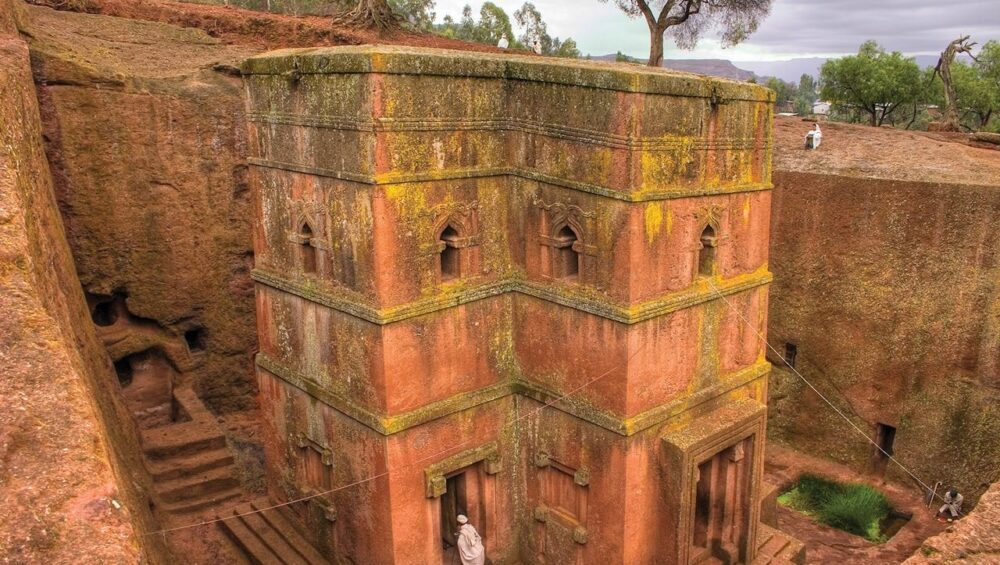
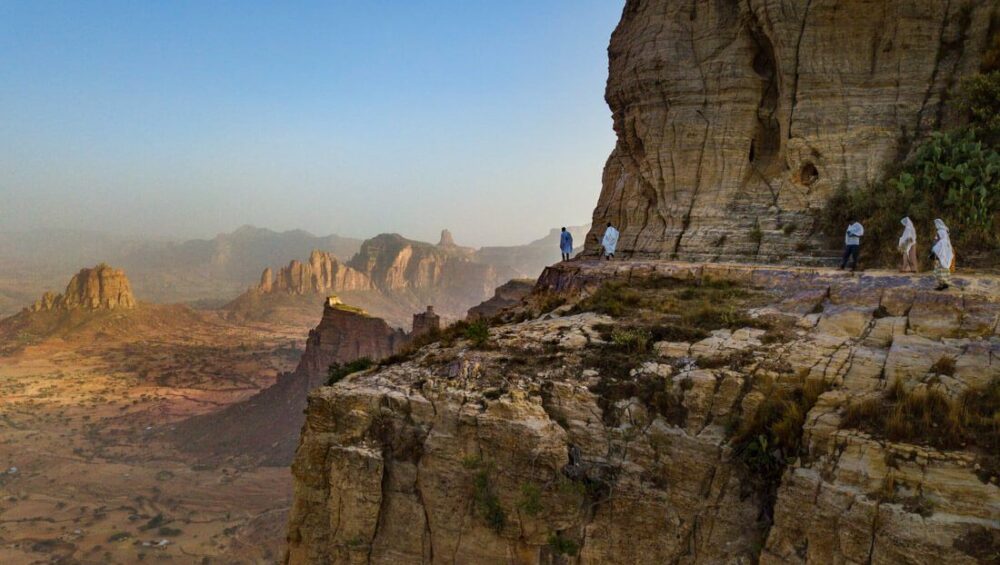
Unlike the earlier visitors, his arrival was connected with formal academic and diplomatic institutions, including the French Embassy and cultural organizations. Mercier had significant knowledge of Ethiopian history and was capable of reading Ge’ez and speaking Amharic. His work focused heavily on the churches of Lalibela and their historical origins. However, many local observers strongly disagreed with some of the theories associated with foreign interpretations of Lalibela’s construction. Among residents and church communities, there was growing frustration toward narratives suggesting that the churches could not have been built by Ethiopians themselves. For Ethiopians familiar with the country’s long architectural and spiritual traditions, such theories felt dismissive of indigenous knowledge and historical capability. The rock-hewn church tradition did not begin in Lalibela. Across Tigray, Sekota, and northern Ethiopia there are numerous rock-hewn churches predating Lalibela by centuries. Lalibela represents the height of this architectural tradition, not an isolated miracle disconnected from Ethiopian civilization.
Ethiopia also maintained deep historical connections with Egypt and the broader Christian world during medieval times. Ethiopian Christianity developed unique traditions while remaining connected to early Christian civilizations. To many Ethiopians, the churches of Lalibela are the product of devotion, engineering skill, faith, and a sophisticated religious culture developed over centuries.
Mercier’s book on Lalibela later became influential among researchers and foreign scholars studying the churches. Yet among many local people, concerns remained that some foreign academic interpretations approached Ethiopian history with assumptions shaped by Western perceptions of Africa — particularly the belief that monumental achievements must have originated from outside African civilizations.
The Question of Heritage and Recognition
One issue that continues to create tension is the question of ownership over historical narratives. Who has the authority to interpret Lalibela?
Who benefits from research conducted there?
Who controls access to manuscripts, archives, and sacred knowledge?
And who receives recognition when Ethiopian history is presented to the world?
Many Ethiopians feel that foreign researchers often gain academic prestige, funding, and international recognition from studying Lalibela, while local experts, clergy, and communities remain marginalized from decision-making processes.
There is also concern about how sacred manuscripts are digitally archived and accessed. For centuries, many of these texts were protected within holy spaces accessible only to priests and deacons. Today, digitization projects are changing that reality. While preservation and documentation can be valuable, some fear that sacred knowledge is increasingly removed from its spiritual context and transformed into academic material controlled abroad.
The Sustainable Lalibela Project
The latest major French involvement in Lalibela is the Sustainable Lalibela Project, a large Franco-Ethiopian heritage conservation initiative launched through cooperation agreements beginning in 2019 and operationally active from 2021 onward.
According to the project’s official goals, the initiative focuses on:
* conservation and restoration,
* archaeological research,
* digital documentation,
* tourism management,
* training local conservators,
* and long-term preservation planning.
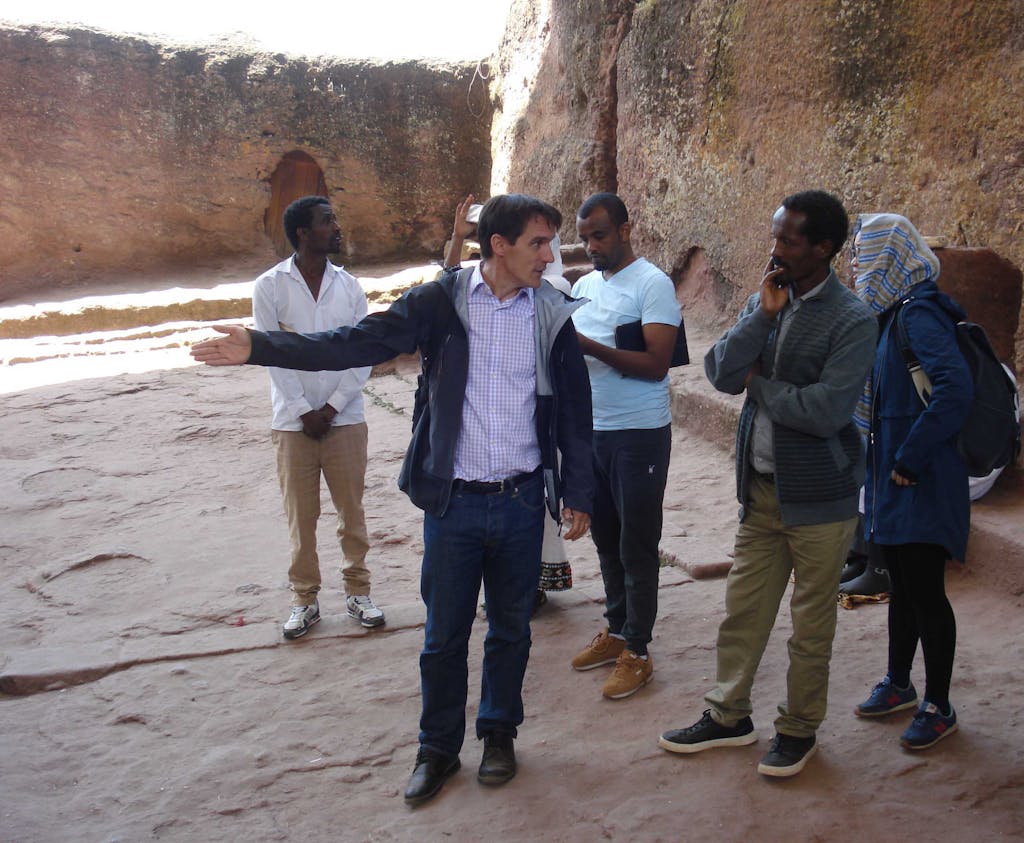
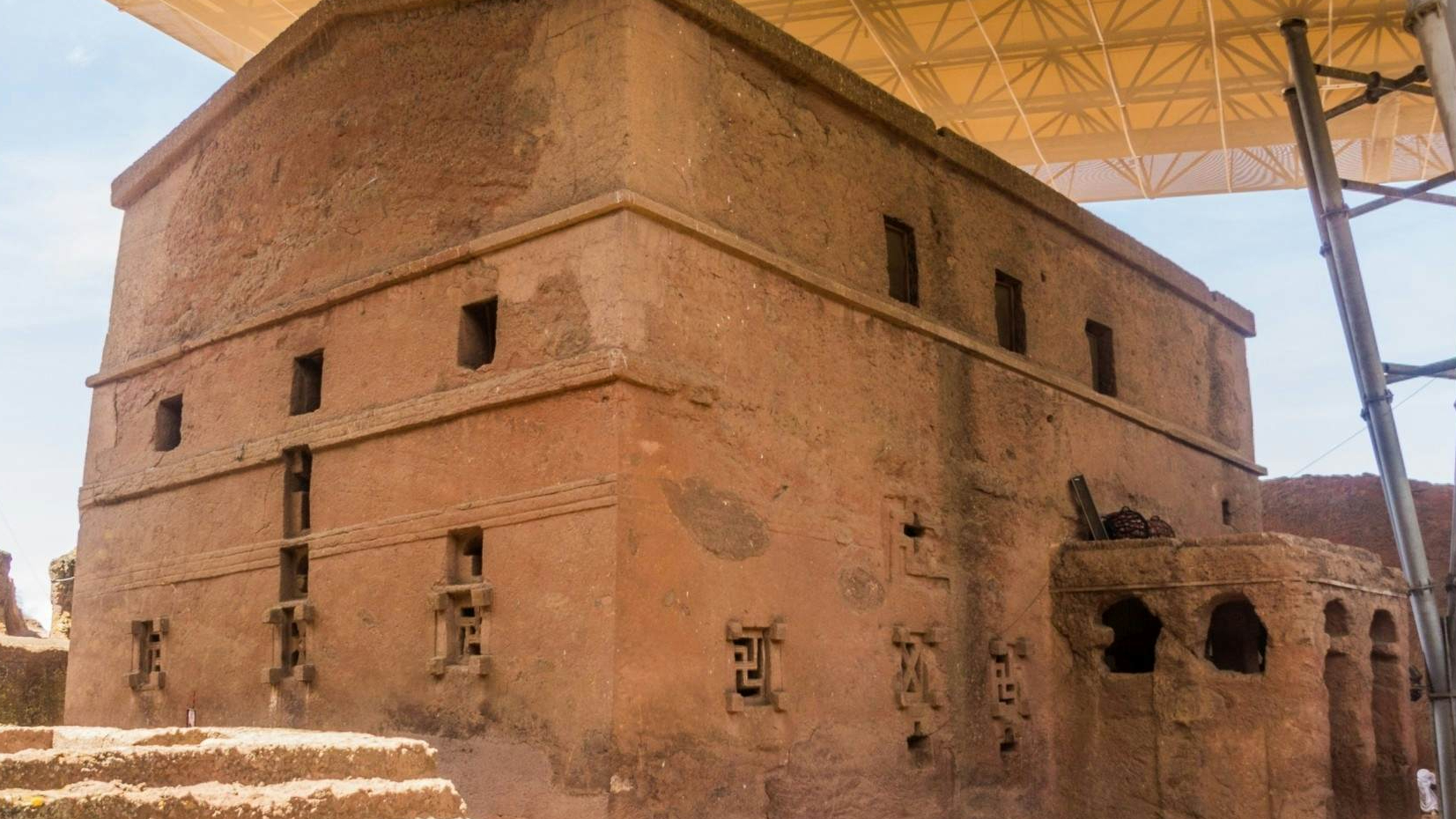
The project is supported by institutions including CNRS, the French Development Agency, and the French Center for Ethiopian Studies. On paper, these goals appear positive and necessary. The churches of Lalibela face serious structural challenges, aging infrastructure, water damage, cracks, hygiene problems, and the controversial temporary shelters installed years ago above several churches. However, many local residents and professionals have raised difficult questions regarding the project’s implementation. Some criticize the slow pace of visible restoration work despite years of international funding and attention. Others question why local professionals, including tourism and heritage experts based in Lalibela itself, have often felt excluded from meaningful participation.
There are also concerns that digitization and research efforts receive more emphasis than urgent structural conservation.
For some locals, this imbalance creates suspicion that international interest in Lalibela is driven not only by preservation, but also by academic access, data collection, historical reinterpretation, and institutional influence over Ethiopian heritage.
Growing Distrust and Fear Among Locals
One of the most troubling developments is the growing distrust between parts of the local community and foreign-led heritage initiatives.
Some clergy, deacons, and residents believe that individuals who question certain project activities become marginalized or ignored. Whether these fears are fully justified or not, the perception itself reflects a widening divide between international institutions and sections of the Lalibela community.
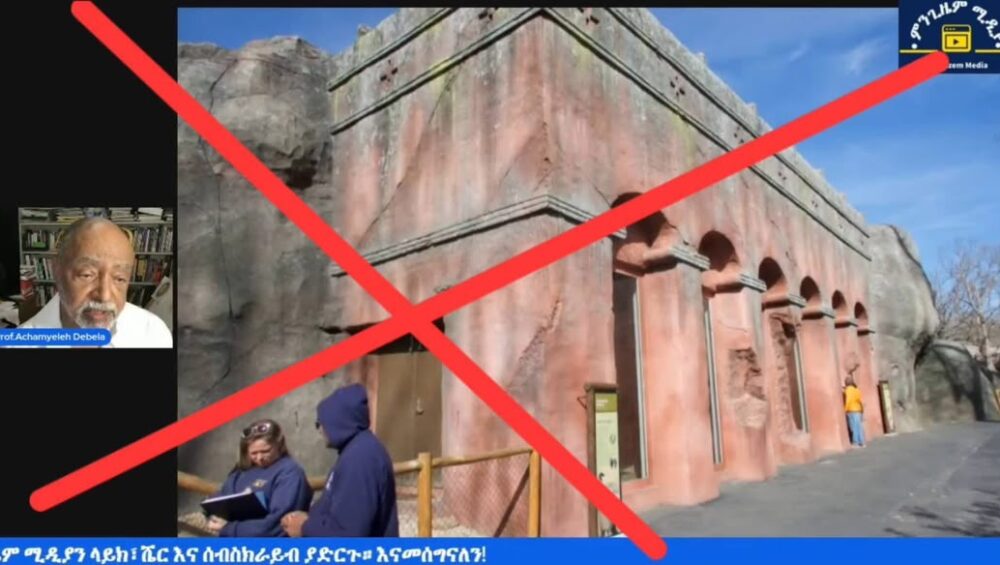
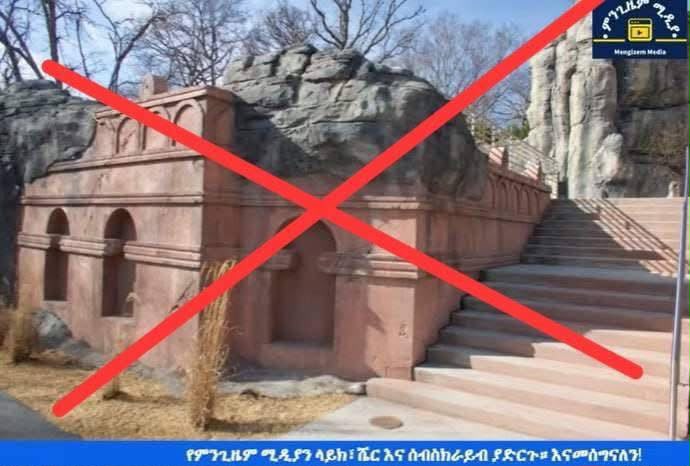
In recent years, online videos and speculative theories have also circulated claiming foreign or non-Ethiopian origins for the churches. Such narratives deeply anger many Ethiopians because they are seen as attempts to disconnect Lalibela from Ethiopia’s historical identity and spiritual inheritance.
For local defenders of Ethiopian heritage, these theories are not harmless academic debates. They touch directly on national dignity, cultural ownership, and historical memory.
Lalibela Beyond Stone
To outsiders, Lalibela may appear primarily as an archaeological site or architectural wonder.
But for Ethiopians, Lalibela is far more than carved stone.
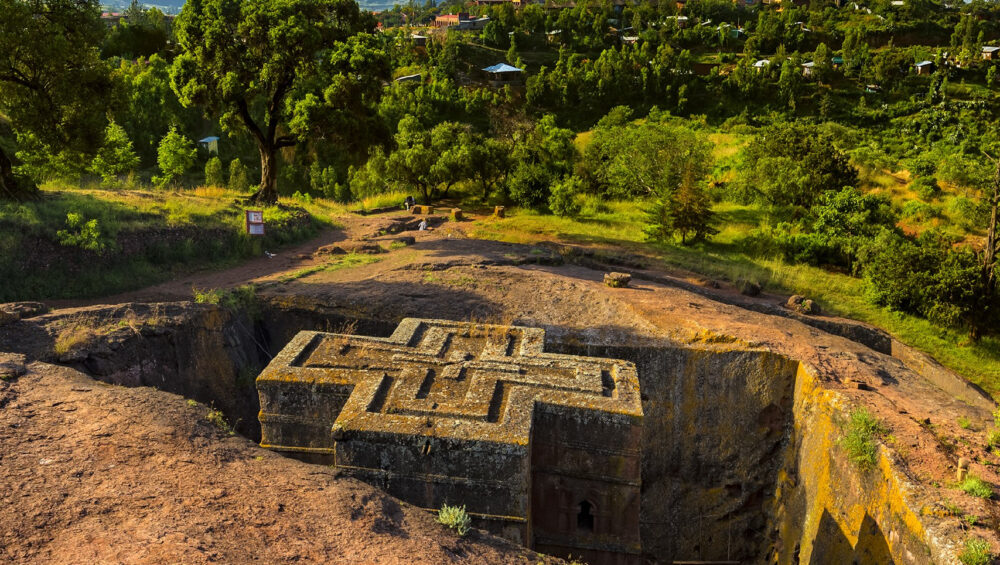
It is a living center of faith, pilgrimage, fasting, prayer, and sacred continuity. The churches are still active places of worship carrying centuries of spiritual tradition. Their meaning cannot be separated from the people, clergy, rituals, manuscripts, chants, and beliefs that continue to sustain them.
This is why many locals react strongly when foreign interpretations appear to separate the churches from Ethiopian civilization itself.
Conclusion
The future of Lalibela should not be shaped solely by foreign institutions, international funding, or external academic narratives. Preservation is important, and international cooperation can be valuable. But genuine preservation must include respect for local voices, local expertise, church authority, and Ethiopian historical ownership.
Lalibela belongs first to the people who have protected it for centuries through faith, sacrifice, and continuity.
As someone who has witnessed foreign involvement in Lalibela since childhood, I believe deeper public discussion is necessary about how Ethiopian heritage is researched, preserved, represented, and controlled in the modern era.
The world may admire Lalibela as a wonder of architecture. But Ethiopians must remain guardians of its meaning.