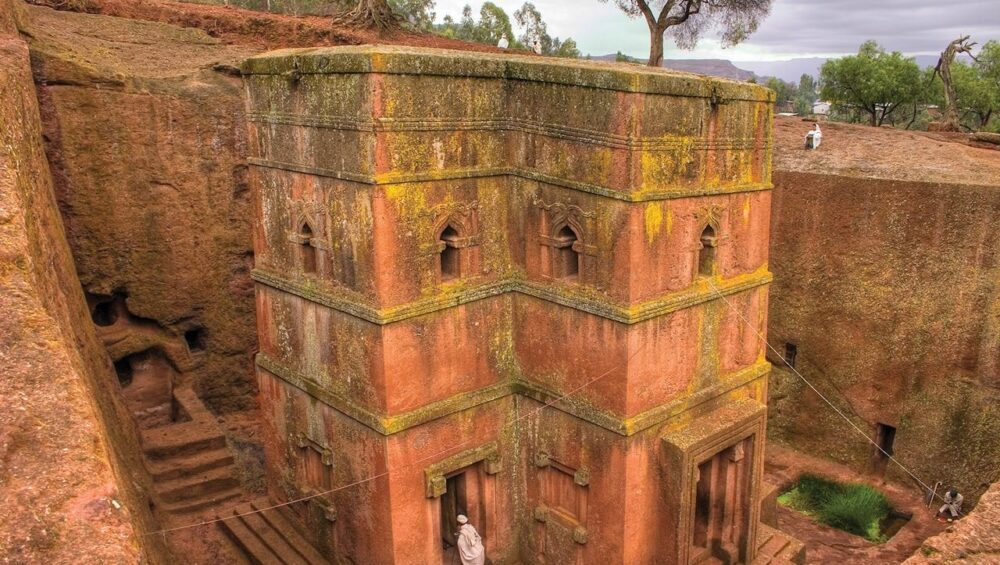
In the holy town of Lalibela, heritage is not simply a matter of history—it is a living expression of faith, identity, and spiritual continuity. The manuscripts preserved within the churches are not ordinary texts. They are sacred vessels of divine knowledge, entrusted for generations to the care of devoted deacons and priests, and deeply woven into the spiritual life of the Ethiopian Orthodox tradition.
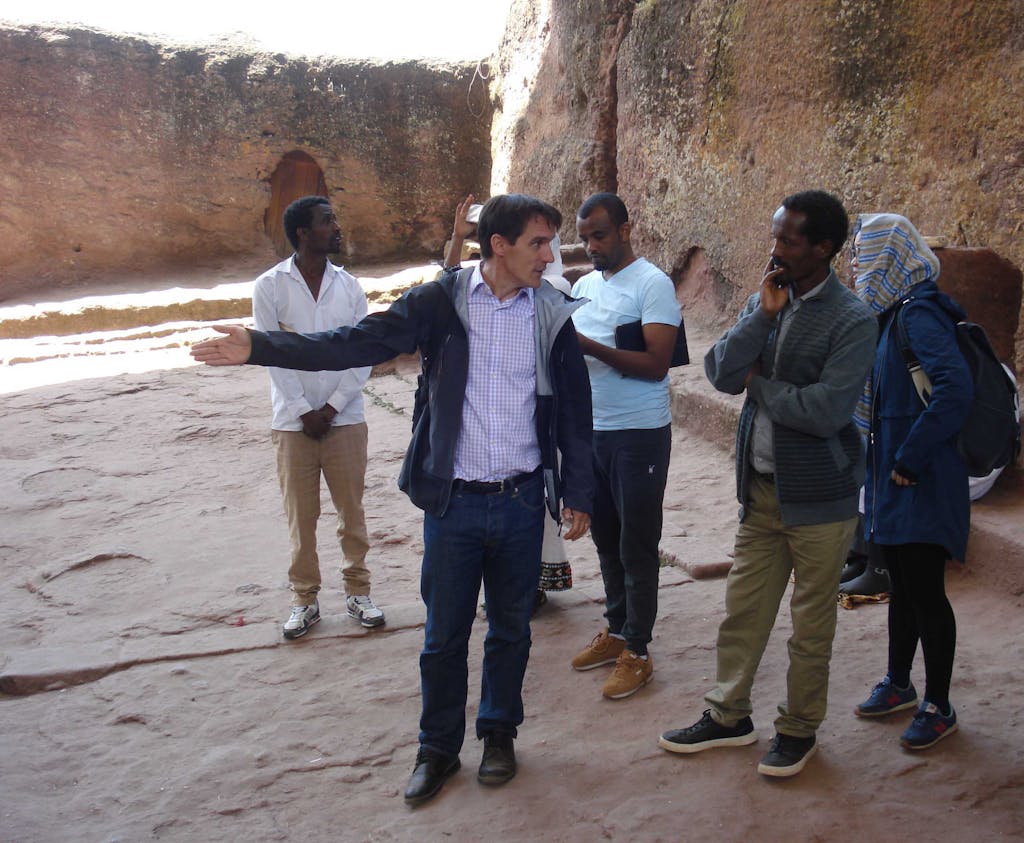
Today, with the advancement of modern technology and the involvement of international preservation initiatives, including the Sustainable Lalibela Project, efforts are being made to digitally archive these invaluable manuscripts. While this initiative carries undeniable benefits, it also raises profound questions that must be carefully considered.
The Promise of Digital Preservation
Digital archiving offers important protections. It safeguards fragile manuscripts from risks such as aging, environmental damage, theft, or loss during times of instability. It allows knowledge to endure beyond the physical limitations of parchment and ink. It also provides opportunities for training Ethiopian professionals, strengthening long-term capacity in heritage conservation, and increasing global awareness of the richness of Ethiopia’s spiritual and cultural legacy.
These are meaningful and necessary contributions. Preserving knowledge is, without doubt, a responsibility we all share.
The Spiritual Risk We Must Not Ignore
However, we must recognize a fundamental truth:
these manuscripts are not merely sources of information—they are sacred.
Their value does not lie only in the words written on them, but in:
•The holy spaces in which they are kept
•The rituals through which they are used
•The spiritual discipline required to understand them
Traditionally, access to these texts has been entrusted to designated clergy—individuals prepared both intellectually and spiritually to engage with their meaning. This is not a limitation, but a form of protection.
When sacred manuscripts are digitized and made widely accessible online, several risks emerge:
• Loss of sacred context: Removed from their holy environment, the manuscripts risk being viewed as ordinary objects rather than sacred elements of worship.
• Erosion of spiritual authority: Open access may bypass the role of the Church and its custodians, allowing interpretation without guidance or responsibility.
• Misuse and misinterpretation: Without context, these texts may be misunderstood, misrepresented, or used in ways that contradict their intended purpose.
• Diminishing spiritual value: A digital copy can preserve information, but it cannot carry the spiritual presence and sanctity of the original.
In this way, digitization, if not carefully managed, can unintentionally lead to the de-sacralization of sacred heritage.
The Real Question: Control, Not Technology
It is important to emphasize that the issue is not technology itself. Digital tools can serve as powerful allies in preservation. The real concern lies in how these tools are used, and who governs their use.
If digitization is conducted without the full leadership and consent of the Church, and without clear cultural and spiritual boundaries, it risks undermining the very heritage it seeks to protect.
A Balanced and Respectful Way Forward
To ensure that both preservation and spiritual integrity are maintained, a balanced approach is essential:
1. Respect for Sacred Boundaries
Not all manuscripts should be digitized or made publicly accessible. Some must remain exclusively within the Church, as part of its living tradition.
2. Controlled and Tiered Access
Digital archives should not be entirely open. Access can be structured:
. Restricted materials for clergy only
. Limited access for approved researchers
. Carefully selected content for public education
3. Church Leadership at the Center
The Ethiopian Orthodox Church must play a leading role in deciding:
• What is digitized
• What is shared
• How it is interpreted
4. Contextual Presentation
Any publicly shared material must be accompanied by proper explanation, ensuring that viewers understand its sacred nature and significance.
A Call for Thoughtful Stewardship
As we look toward the future, we must remember that heritage is not only about preserving objects—it is about preserving meaning, identity, and spiritual continuity.
The manuscripts of Lalibela were never intended to become mere digital content. They are part of a sacred relationship between faith, place, and community.
Therefore, the goal should not be simply to digitize and distribute, but to:
preserve wisely, share respectfully, and protect the sacred essence of what has been entrusted to us.
Conclusion
The digital archiving of Lalibela’s manuscripts stands at a delicate intersection between preservation and spirituality. If approached with care, humility, and respect for tradition, it can serve future generations without compromising the past. But if approached without sensitivity to its sacred dimension, it risks weakening the very soul of the heritage it aims to protect.
The responsibility lies with all of us—community members, religious leaders, institutions, and partners—to ensure that in preserving our heritage, we do not lose its meaning.